
Projects
The dates for the 2026 scheduled working visits are below:
- April 11 (Sat) to April 18, 2026: Water & fish monitoring
- April 18 (Sat) to April 25, 2026: Re-vegetation
- TBA: Arrive at Idninha Outstation for renovation work
4. August 1 (Sat) to 8, 2026: Re-vegetation
5. September 14 (Mon) to 21, 2026: Water & fish monitoring
9 Idninha Outstation restoration
The Idninha Outstation is in the north of the Park, lying on a straight line between Yankaninna (abandoned) and Arkaroola village and not far from the Mainwater Well camping area. Since being abandoned it has deteriorated and is uninhabitable. Commencing in 2025, the Friends have been renovating the building and propose to make it habitable by first closing it to the weather, animals and people. Go to the renovation page for more details
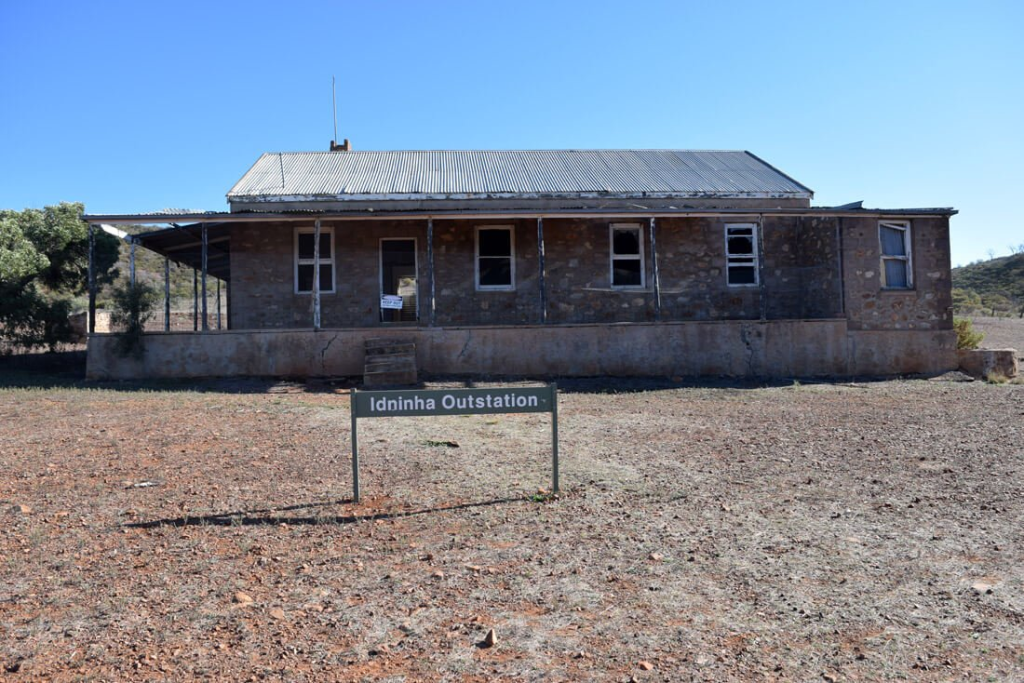
Idninha in 2015, before grids were fitted to the doors and windows, the veranda was repaired and the rainwater tank was installed.
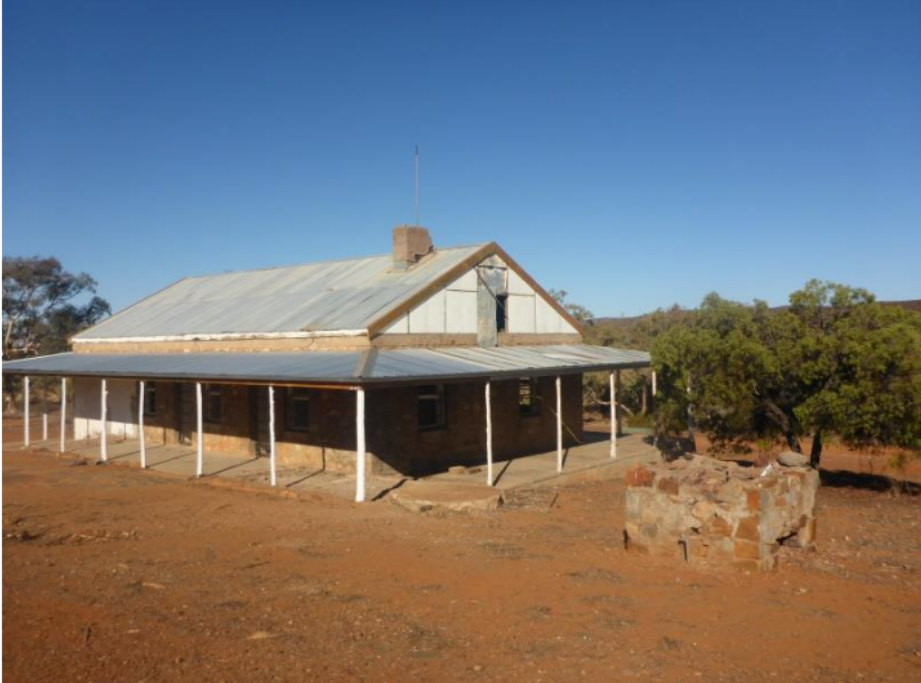
Idninha viewed from the north-west.
8 Fish and Water Quality Monitoring
The permanent spring-fed pools in the Park are home to an endemic fish – the Flinders Ranges Mogurnda (Mogurnda clivicola). We monitor the water quality and the fish population characteristics. Our findngs are published in peer-reviewed scientifc journals. Read them here. This effort has informed the translocation in 2021 of 600 fish to permanent water bodies to the south of the Park to establish self sustaining insurance populations. Go to the monitoring page for more details.


7 Revegetation of the Balcanoona Headquarters surroundings
Balcanoona is the headquarters of the Park and the rangers live there. Also on site is the Park office and associated buildings, the old and new homesteads, three Ranger’s houses, public toilet and shower facilities the rejuvenated shearing shed and the shearer’s quarters. Since 2019, the Friends have been revegetating the surroundings with indigenous seedling plants grown from seed collected from the local area. Go to the revegetation page for more details.
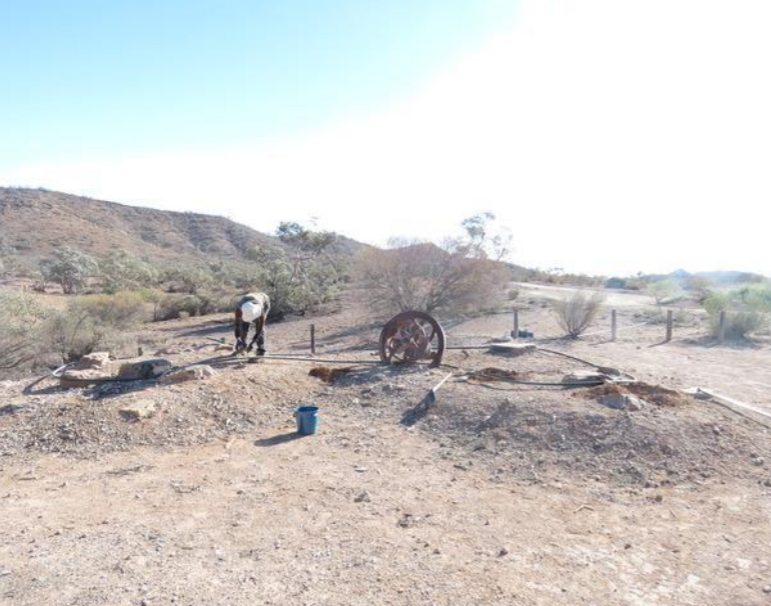
The “Mound” in 1988 before revegetation planting

6 Wildlife monitoring with Remote Cameras
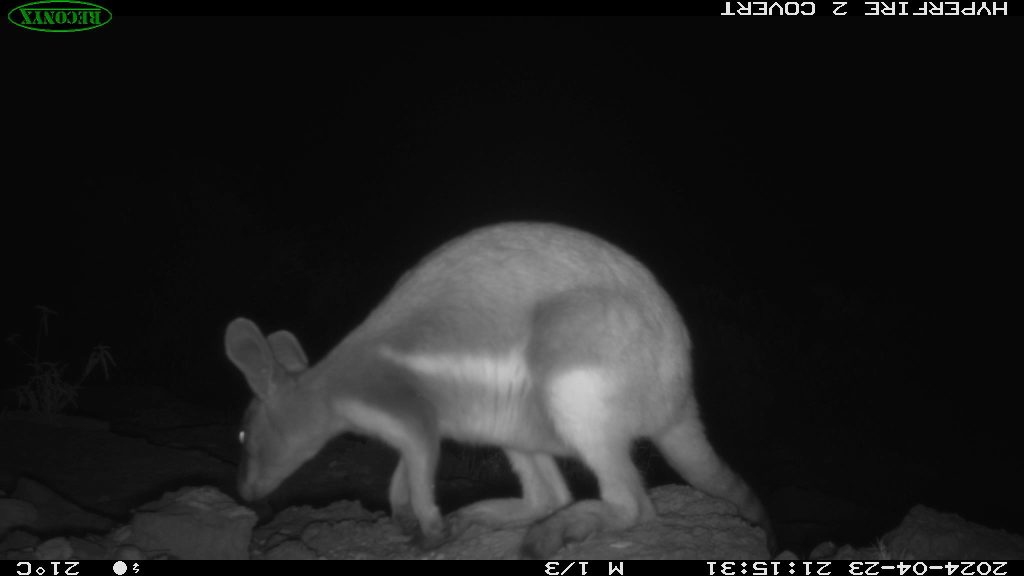
Remote or “trail” cameras are attached to a tree or other structure and take a series of photographs when triggered. A trigger occurs when something of a different temperature from that of the surroundings enters the field of view. This could be a mammal, a bird or even an insect. The result is thousands of images recorded on the SD card. The Friends view and score these images to get an appreciation of the numbers and change in numbers of (for example) Yellow-Footed Rock Wallabies. Go to the wildlife monitoring page for more details. Read a report here.

5 Geology of the Vulkathunha-Gammon Ranges National Park
Adnyamathanha is the name of the traditional custodians of the Park and it means “rock people”. The rocky geological formations and the steep rock faces of the gorges within the Park are of considerable interest to geologists. The Friends have several members who are keen geologists and rock students. They are preparing a booklet for publication that describes the rock formations within the Park. See some geology reports we have prepared on our publications page. Go to the geology page for more details.

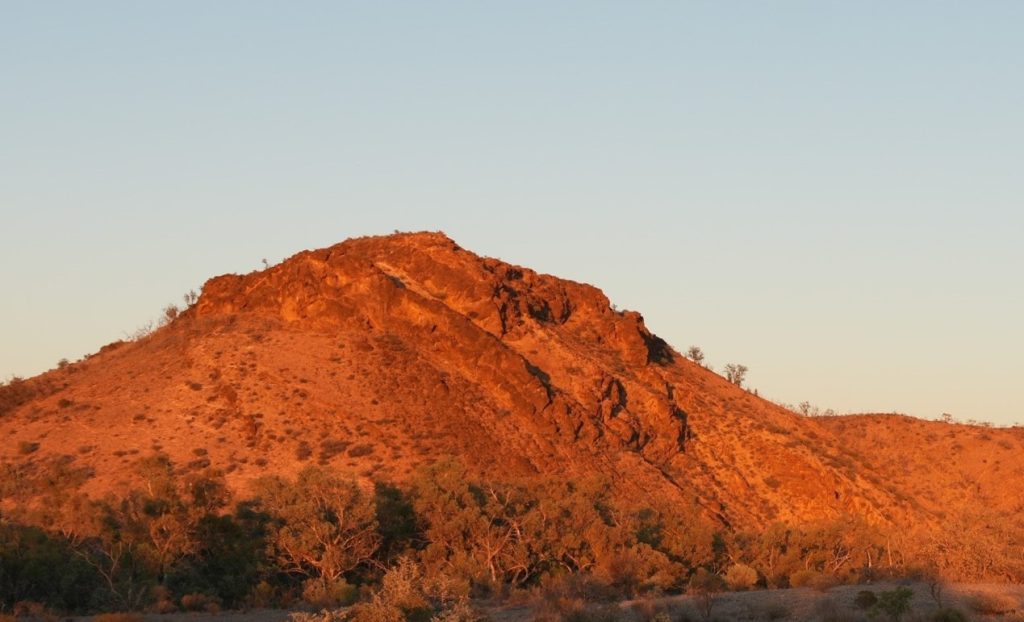
Vulkathunha mangu at sunrise
4 Flowers and plants of the Vulkathunha-Gammon Ranges National Park
Despite being in an arid zone, there are a vast array of plants – both flowering and non-flowering – in Vulkathunha. The Friends are preparing a booklet with photographs of these flowers and plants to help visitors to the Park identify these plants. Go to the flower identification page for more details


3 Directional Marker at summit of Ridge-top walk
A walking trail from the Balcanoona Headquarters towards the west and then ascending northwards along an easily navigated ridge and ending at a lookout point is being developed. This project is now complete. Go to the toposcope page for more details

2 The commonly seen birds of the Park
The Park is a haven for birds with the appearance of many dependent of the recent weather and rainfall. Members of the Friends are keen birders and have been recording the birds from all over the Park. A brochure has been prepared and printed to assist Park visitors to identify for themselves the birds that they see. This project is now complete. Go to the Bird brochure page for more details.


1 Refurbishment of the Oocaboolina Outstation
When Balcanoona was a working sheep station, Oocaboolina served as accommodation for the pastoral workers. This historical building, when abandoned, fell into disrepair. The Friends have been working to secure the building and to refurbish the rooms. This project has now been completed. Go to the refurbishment page for a summary.


